How to Find the Load Capacity of a Crane: A Practical How-To
Learn a practical, step-by-step method to determine crane load capacity using manufacturer charts, nameplates, and safe lifting practices. Written by Load Capacity for engineers, technicians, and safety-minded pros.


By the end you will know how to determine a crane's load capacity for a specific lift. Start with the crane's nameplate and load chart, confirm configuration and rigging, then apply the manufacturer’s safe working load limits and a conservative margin. Use the step-by-step guide below to stay compliant with safety standards and project requirements.
Understanding Crane Load Capacity
Crane load capacity defines the maximum load a crane can safely handle under a given configuration. It depends on the machine, the configuration (boom length, angle, attachments), and external factors like wind. According to Load Capacity, practitioners should not guess capacity; instead, they should consult the official load chart and nameplate for the current setup. If you're wondering what's the best way to find the load capacity of a crane, start with the crane's nameplate and the manufacturer's load chart. The nameplate lists the rated capacity at specific boom lengths and radii, and the chart expands that to other configurations. The chart accounts for geometry, rigging, and attachments; using it correctly reduces the risk of overloading, equipment damage, and injury. In practice, you should also verify that the configuration on site matches the chart: the exact boom length, the hook height, the angle, and the presence of any attachments such as jibs, hooks, or lugs. Remember that capacity is not fixed; it changes with configuration and dynamic loads, so you must re-check before every lift.
Reading the Manufacturer Load Chart and Nameplate
A crane’s capacity data is published on two official sources: the nameplate on the crane itself and the manufacturer load chart. The nameplate provides the rated capacity for a base configuration, typically at a specific boom length and radius. The load chart expands that information to other configurations, including different boom lengths, radii, attachments, and counterweight arrangements. To read it effectively, locate the chart that matches your crane model and serial number, then identify the exact configuration you will use. Pay attention to units (tons vs. kilograms), the indicated wind limits, and any notes about dynamic loads. When in doubt, cross-verify the chart version with the operator’s manual and the jobsite lift plan. This cross-check helps ensure the numbers you rely on reflect the actual equipment and conditions.
How Configuration Changes the Capacity
Crane capacity is highly sensitive to configuration. A longer boom length reduces the allowable load at a given radius, while a larger radius (distance from the crane’s centerline to the load) also decreases capacity. Attachments such as jibs, hooks, or different slings can further modify the capacity listed on the chart. Even small changes in boom angle or outrigger setup can shift the safe working load (SWL). According to industry practice highlighted by Load Capacity, always ensure that the configuration you intend to use is explicitly represented in the load chart before lifting. If any element is altered on site, you must re-check capacity against the chart for that exact configuration.
Field Verification: Steps to Check Capacity on Site
In the field, do not rely on memory or experience alone. Start by confirming the crane’s model, serial number, and the exact configuration you’ll use. Read the corresponding entry on the manufacturer load chart, and compare it with the site configuration: boom length, radius, attachments, and luffing angles. Check the nameplate on the crane; ensure the chart version matches the equipment and that the load does not exceed the chart’s SWL for the current setup. Document any discrepancies and pause the lift if the numbers don’t align. Finally, perform a pre-lift check with the operator and a qualified individual to validate the plan and the predicted capacity.
Common Pitfalls and Practical Remedies
Common pitfalls include mismatching configuration data between the chart and the actual setup, misreading the radius or boom length, and ignoring wind or dynamic effects. Another frequent issue is underestimating the weight of rigging and attachments. According to Load Capacity analysis, consistency between the chart, the nameplate, and the actual rigging configuration dramatically reduces lift errors. Remedy these by creating a clear lift plan, labeling the configuration, and maintaining a live checklist during the lift. If the chart is damaged or unreadable, replace the device or consult the manufacturer before proceeding.
Authority Sources and Standards
Standards and guidelines come from multiple authoritative sources. OSHA provides general crane operation safety guidance, while ASME B30 standards detail specific crane capacities, load charts, and safety factors. For educational and regulatory context, refer to official pages such as the OSHA Crane Safety rules and ASME B30 standards. The Load Capacity team emphasizes that verify capability against the official chart and the job-specific plan is essential for safe lifting. The Load Capacity team recommends always validating the current setup against the official chart before lifting.
Authority Sources and Standards (continued)
Useful references include:
- OSHA Cranes and Derricks Safety: https://www.osha.gov/cranes-derricks
- ASME B30.5 Mobile Ladders and Access? (Note: use the relevant ASME B30 crane standards): https://www.asme.org/standards
- National related educational resources (university extension or engineering handbooks): https://www.engineering.purdue.edu/
Tools & Materials
- Crane manual and load chart(Latest version matching crane serial number)
- Crane nameplate with rated capacity(Read first before rigging)
- Field calculator or digital device(For verifying loads and margins)
- Measuring tools (tape measure, protractor)(To confirm boom length and angles)
- Notebook and pen(Record configuration and results)
- Rigging gear (slings, shackles)(Ensure compatibility with load chart)
- Personal protective equipment(Hard hat, gloves, high-visibility vest)
- Camera or smartphone(Document setup, for audit trails)
- Public safety barriers / signage(Keep the lift area secured)
Steps
Estimated time: 30-45 minutes
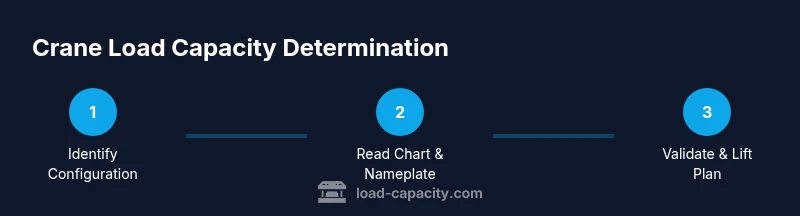
- 1
Identify the crane configuration
Confirm crane type, boom length, radius, and any attachments (jibs, hooks). Document exact outriggers setup and stability provisions. This establishes the configuration used to read the chart.
Tip: Record the exact configuration on a single page for audit purposes. - 2
Find the manufacturer load chart and nameplate
Locate the current load chart matching the crane model and serial number. Read the nameplate to verify the base capacity and the chart entries for your configuration.
Tip: Double-check version and date on the chart to avoid outdated numbers. - 3
Verify current setup against chart
Compare the chart entry for your boom length, radius, and attachments with the actual site configuration. Ensure all values align before proceeding.
Tip: If there’s any mismatch, pause the lift and rectify configuration. - 4
Read the rated load capacity for your configuration
Identify the SWL from the chart for the exact configuration and note any wind or dynamic-load notes that apply. Do not extrapolate beyond the chart.
Tip: Treat the chart as the authoritative source for the given setup. - 5
Apply safety margins and dynamic considerations
Integrate conservative margins and consider wind, sway, and potential dynamic effects. Use the chart as a baseline, not a guarantee, for the lift.
Tip: If wind or sway is present, reduce the planned load accordingly. - 6
Document results and communicate the plan
Record the final load, configuration, and SWL in the lift plan. Share with the operator and site supervisor, and obtain sign-off before lifting.
Tip: Keep a copy of the plan accessible near the lift site.
Quick Answers
What is the difference between load capacity and safe working load (SWL)?
Load capacity refers to the maximum load the crane can safely handle under specified conditions. SWL is the rating shown on the chart as a safety-limited value. Always use the chart for the exact configuration and conditions.
Load capacity is the maximum safe load under the charted configuration; SWL is the charted rating used for safety margins.
Where can I find the crane's current load chart?
The primary sources are the crane manufacturer’s load chart for the specific model and the crane’s nameplate. Both should match the equipment and configuration you intend to use.
Check the nameplate on the crane and the official load chart for the model.
Can we lift with an unfamiliar configuration?
Only if you have the correct chart for that configuration and a qualified person has assessed the lift plan. Do not lift if anything is unclear.
No, only lift with a chart you know applies and with a qualified assessor.
What safety margins should be applied?
Always follow the manufacturer’s guidance and applicable regulations. Do not rely on experience alone; base decisions on official charts and plans.
Follow the chart and safety rules; don’t rely on guesswork.
How do wind and dynamic loads affect capacity?
Dynamic effects and wind reduce effective capacity. Plan lifts with these factors in mind and stay within charted limits.
Wind and movement can reduce what you can lift; plan accordingly.
Who should verify capacity on a site lift?
A qualified crane operator or the duty holder should verify capacity using the official chart and lift plan.
A qualified person should verify capacity before lifting.
Watch Video
Top Takeaways
- Identify crane configuration before lifting
- Read and interpret the current load chart precisely
- Apply a conservative safety margin and wind considerations
- Document results and confirm with the team
- Refer to manufacturer guidance for unusual setups