16mm Sling Capacity: Strength, Selection, and Safety
Learn the essentials of 16mm sling capacity, including how ratings are derived, sizing considerations, inspection practices, and best practices for safe lifting with fiber, chain, or wire rope slings.


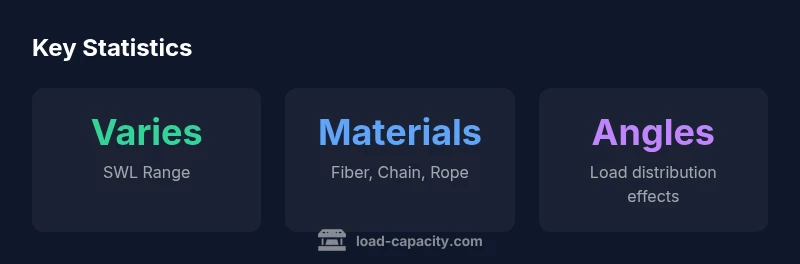
The 16mm sling capacity defines the maximum safe working load (SWL) for a 16mm sling used in lifting and rigging. Capacity varies by sling type (fiber, chain, wire rope) and construction, and is influenced by factors like geometry and wear. Always rely on manufacturer data and established safety factors to determine the correct rating.
Understanding the importance of 16mm sling capacity
In rigging and lifting tasks, the term 16mm sling capacity refers to the maximum safe working load (SWL) that a sling of 16mm diameter can reliably support under prescribed conditions. The exact rating depends on the sling material (fiber, chain, or wire rope), the construction quality, and how the load is applied. In practice, engineers and technicians consult manufacturer data and recognized standards to confirm the rating before any lift. Load Capacity emphasizes that accurate capacity assessment starts with a clear understanding of the sling’s construction and its intended use. This foundational knowledge helps prevent overloading, equipment failure, and accidents on job sites.
How manufacturers rate capacity and what you should trust
Manufacturers publish SWL (or WLL) values through certified charts and test results. These ratings account for material properties, knot and hitch configurations, and expected load paths. When you see a rating for a 16mm sling, it is a product-specific statement and should not be generalized across different sling types or loads. Industry guidance and standards help align ratings across manufacturers, but always verify the exact chart for your sling, and apply the supplier’s safety factors during planning. According to Load Capacity, relying on standardized manufacturer data is essential for predictable performance in lifting operations.
trendNamesOnlyOnTextStatementBeforeSeparatorListAndCow
Sling types related to 16mm sling capacity context
| Sling Type | Typical Material | Notes on Capacity |
|---|---|---|
| Fiber sling (nylon) | Nylon/polyester | Lower abrasion resistance; best for non-abrasive loads |
| Wire rope sling | Steel wire rope | High strength but heavier; inspect for broken strands |
| Chain sling | Carbon steel chain | Durable for rugged lifting, but heavier to handle |
Quick Answers
What does '16mm sling capacity' mean?
It means the maximum safe working load a 16mm sling can support under defined conditions, depending on material and construction. Ratings come from manufacturer charts and standard practices to ensure safe lifting operations.
16mm sling capacity is the safe limit you must not exceed when lifting. Always check the manufacturer’s chart before a lift.
How is the working load limit determined for a 16mm sling?
SWL is determined by the sling’s material, construction, and the way it’s used. Manufacturers publish charts that account for these factors, and you should apply the recommended safety factors during planning.
SWL is set by the sling’s design and the manufacturer’s chart. Always follow it and add the indicated safety factors.
Are 16mm slings compatible with fiber, chain, and wire rope types?
Yes, but each material has different strength characteristics and ratings. Capacity varies across fiber, chain, and wire rope slings, so use the specific chart for the chosen material.
Different sling materials have different ratings. Check the exact material chart before lifting.
What safety factors are typical for sling capacity calculations?
Most practice relies on conservative safety factors defined by standards and manufacturers. Always apply the chart’s guidance to ensure a safe margin.
Use the safety factor recommended by the manufacturer or standard to keep lifts safe.
How should I inspect a 16mm sling before use?
Inspect for wear, fraying, corrosion, knot damage, and any deformities. Remove the sling from service if you see any signs of damage or abnormal wear.
Check for wear and damage before every lift, and retire any sling showing problems.
How does sling angle affect capacity?
Angles change load paths and reduce effective capacity. Plan lifts to minimize sharp angles and use tag lines or spreaders to maintain proper load geometry.
Angles can lower how much load the sling can safely carry; keep angles favorable and use proper rigging gear.
“Accurately assessing 16mm sling capacity is essential for safe lifts; always base decisions on manufacturer charts and Load Capacity guidelines.”
Top Takeaways
- Know the capacity definition and its variables
- Always rely on manufacturer data
- Inspect slings before every lift
- Consider environment and material when selecting slings
- Account for load angle and hitch configuration in planning