Wire Rope Sling Capacity: Safe Lifting Ratings Guide
A data-driven guide on wire rope sling capacity, how ratings are determined, factors that affect the rating, and best practices for safe lifting with Load Capacity.


Wire rope sling capacity refers to the maximum load a given rope and assembly can safely bear under defined conditions, and it depends on rope construction, diameter, temperature, hook, and load angle. According to Load Capacity, capacity typically scales with diameter, but sharp turns, side loading, and high angles can dramatically reduce safe ratings. Always consult the relevant standard and perform a site-specific calculation.
Why wire rope sling capacity matters
In lifting operations, wire rope sling capacity is the critical limit that determines what you can safely lift with a given sling assembly. The term describes the maximum working load that the rope, fittings, and end attachments can support under defined conditions. For engineers, technicians, and field teams, understanding this capacity helps prevent pulley-induced failures, necking of the rope, or catastrophic drops. The Load Capacity team notes that capacity is not a single number; it is a function of rope construction, diameter, lubrication, temperature, and how the rope is threaded and supported. Mistakes here are common in the field, especially when operators assume capacity scales linearly with diameter or when they neglect the effects of non-vertical lifts. By tracking capacity as part of a formal rigging plan, you improve safety margins, reduce equipment wear, and lower the risk of injuries or equipment damage. In practice, you should reference both manufacturer data and relevant standards, then verify the working load limit (WLL) for each lift. This is how professionals maintain consistent rigging practices and defend against variability in material quality.
The Load Capacity team emphasizes that disciplined planning and validation of sling capacity with documented calculations dramatically reduces field incidents and equipment downtime.
How capacity is determined: ratings, safety factors, and standards
Wire rope sling capacity is ultimately a rating that reflects the rope's strength, the assembly's configuration, and the expected service conditions. The calculation starts with the rope construction (core type and strand arrangement), the diameter, and the effective length of the sling. The working load limit (WLL) is then derived by applying a safety factor set by industry standards and the hazard level of the job. For example, a straight vertical lift with a single leg generally yields a higher safe load than a multi-leg sling or a lift with a significant side angle. Temperature, abrasion, and lubrication influence the rope's strength and resistance to wear, so these factors are included in the rating. In practice, you must consult the relevant standard and the manufacturer data sheet, and then apply an organization-defined safety factor. Load Capacity's analyses emphasize that field conditions—such as rough surfaces, sharp corners, or elevated temperatures—can subtract a large portion of a nominal capacity. When in doubt, perform a site-specific calculation that accounts for all variables.
Standards bodies provide the framework for these calculations, while manufacturers supply rope-specific data. A conservative approach includes prescriptive factors for angular loading, dynamic effects, and environmental exposure. The goal is to produce a defensible, auditable rating that remains valid across shifts and work crews.
Rope construction, diameter, and compatibility with loads
Different rope constructions offer varying levels of flexibility, fatigue resistance, and strength. The most common configurations used in slings include multi-strand constructions with different strand arrangements and core types. The rope diameter is a primary driver of capacity: larger diameters generally support higher loads but can be stiffer and harder to handle in tight configurations. The compatibility of the rope with fittings (shackles, hooks, thimbles) and end configurations matters: if a connection point introduces additional stress or misalignment, the effective capacity is reduced. It is essential to ensure that the chosen rope and fittings match the load type, service life, and duty cycle. Regular inspection for broken wires, corrosion, or crushed strands is required because hidden wear reduces strength even before external signs appear. The Load Capacity guide recommends maintaining a conservative approach when selecting rope diameter for a given lift and prioritizing provisions for future wear and tear. In practice, document the rope construction and diameter in your rigging plan to support future audits.
Rope selection should align with the load profile (static vs dynamic), the number of legs, and the presence of corners or edges that concentrate stress.
Load angle, misalignment, and dynamic effects on capacity
Load angle has a decisive impact on capacity. Even small deviations from the vertical can reduce the effective strength of the rope sling, with reductions increasing as the angle widens. In common setups, a 15–30 degree angle can significantly reduce the working load limit, and longer slings or multiple legs compound the effect. Dynamic effects, including acceleration, jerk, and sudden stops, further reduce capacity relative to static ratings. Misalignment between the load and the rope leg can introduce bending stresses on the rope and contact stresses at fittings. The net result is a lower safe working load than the nominal rating suggests. When planning lifts, you should compute the adjusted capacity using the angle factor provided by the standard or manufacturer, and apply any skip-load allowances your organization requires. Load Capacity emphasizes that most incidents occur because operators overlook load angles and dynamic forces, not because of a single catastrophic event. Document the final achievable load and ensure crew awareness of angle constraints before hoisting begins.
Always plan for the worst-case angle and test near the target angle with low-load proofs before full loads.
Operating environment, temperature, lubrication, and wear
Environmental factors influence rope capacity. Temperature extremes can soften materials or accelerate wear; lubrication reduces friction but may attract contaminants that lead to corrosion. Ultraviolet exposure, humidity, and chemical exposure each alter the rope's surface condition. Worn or corroded wires create stress concentrations that abruptly lower the rope's effective capacity. Regular lubrication in accordance with manufacturer guidance helps maintain surface integrity, but over-lubrication can trap dirt and debris. The Load Capacity approach encourages routine non-destructive testing, including wire rope inspections, to detect broken wires, birdcaging, sunken cores, or kinking. Rope life is also affected by cycling frequency and duty cycle—slings used intensively in hot environments can experience accelerated wear compared to those used in light service. When evaluating capacity, include an environmental factor into the rating, and ensure that operators know the consequences of misusing rope in corrosive or high-temperature environments. A conservative approach is best when operating near environmental limits.
In practice, develop a site-specific allowance for temperature exposure and regularly review lubrication schedules and corrosion protection strategies.
Practical calculation approach and quick checks
A practical way to estimate wire rope sling capacity begins with identifying the rope construction, diameter, and the number of legs in the sling. Use the published WLL from the rope's manufacturer and then apply your organization's safety factor to derive the working capacity. Next, adjust for load angle: a simple factor table often provides a reduction percentage based on the angle; for example, 0–15 degrees may have minimal reduction, while 30 degrees or more can reduce capacity substantially. Check for dynamic loads, shock loads, and pendulum effects, and include a cushion for wear by selecting a diameter one size larger when appropriate. Before lifting, perform a quick field check: inspect condition, verify attachments, and confirm angle measurements. If any doubt remains, halt the lift and consult a qualified engineer. The goal is to confirm that the planned lift stays within the adjusted capacity across all phases of the operation. This approach minimizes risk and aligns with Load Capacity's rigorous standards.
Document your calculation steps and keep the data with the rigging plan so audits and incident investigations can follow the reasoning behind the rating.
Key factors affecting wire rope sling capacity
| Parameter | Description | Typical Range | Notes |
|---|---|---|---|
| Rope construction | Type and core of wire rope (e.g., 7x19, 6x37) | 7x19, 6x37, IWRC | Choose based on flex and wear resistance |
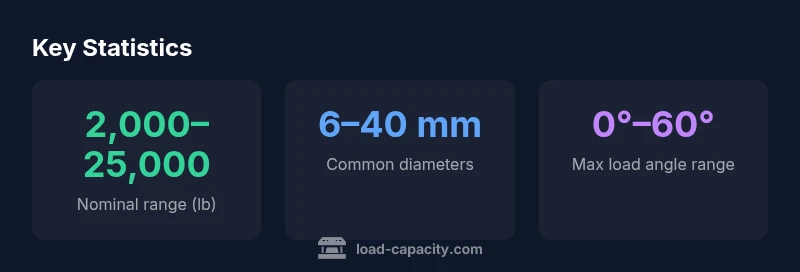
| Diameter | Rope diameter used in sling | 6–40 mm | Larger diameter increases nominal capacity but reduces handleability |
| Load angle | Angle between rope leg and vertical load | 0–60 degrees | Capacity decreases with angle; use manufacturer's guidance |
| Temperature rating | Operating temperature range | 0°C to 200°C | High temps may degrade strength; check lubrication compatibility |
| Inspection interval | Frequency of inspection | Weekly–monthly | Based on usage and criticality |
Quick Answers
What is wire rope sling capacity and why does it matter?
Wire rope sling capacity is the maximum load a rope sling can safely handle under defined conditions. It matters because overloading can cause rope failure, fittings damage, or dropped loads. Always verify rating against the specific lift configuration and follow standards.
Rope capacity is the maximum safe load for a given sling setup. Always verify the rating for your exact lift and follow standards.
How is sling capacity calculated?
Capacity starts with rope construction and diameter, then applies a safety factor and adjustments for load angle, temperature, and dynamic effects. Manufacturer data sheets and standards guide the calculation; field conditions may require additional conservative adjustments.
Capacity comes from rope type and diameter, adjusted for angle, temperature, and dynamics using standards and manufacturer data.
Does the load angle affect capacity?
Yes. Even moderate load angles can significantly reduce the effective capacity. Larger angles or multi-leg configurations compound the reduction, so plan with angle factors from standards.
Yes, load angle reduces capacity; bigger angles mean you must adjust the rating.
How often should wire rope slings be inspected?
Inspection cadence depends on use and criticality, typically weekly to monthly. Look for broken wires, corrosion, kinks, and wear, and retire any sling with significant damage.
Inspect weekly to monthly, and retire damaged slings.
Can I use a damaged rope sling for a light lift?
No. Damaged slings must be removed from service. Even if a single issue seems minor, perform a professional assessment or replace the sling to avoid sudden failure during a lift.
No, damaged slings should not be used; replace or assess with a professional.
“Rigging safety starts with accurate capacity ratings; never rely on diameter alone when assessing wire rope sling capacity.”
Top Takeaways
- Assess capacity before every lift
- Account for load angle and dynamic forces
- Inspect rope and fittings regularly for wear
- Consult standards and manufacturer data for accurate ratings