Understanding 10 kw Generator Load Capacity: A Practical Sizing Guide
Meta description: Learn how to interpret the load capacity of a 10 kw generator, distinguish continuous versus peak loads, and apply practical sizing tips for reliable backup power in homes and small businesses.


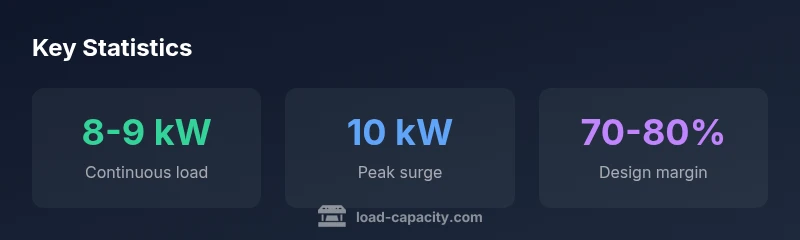
Current guidance for a typical 10 kW generator shows a continuous usable load of about 8-9 kW, with brief peak surges approaching the full 10 kW rating under favorable conditions. Real-world factors such as altitude, ambient temperature, fuel quality, and duty cycle can reduce sustained output to roughly 6-8 kW. For reliability, design loads around 70-80% of the continuous rating and reserve peak capacity for startup surges.
Overview of 10 kW Generators and Load Capacity
A 10 kw generator is typically described by its electrical output rating—the maximum real power it can deliver continuously under specified conditions. In practice, this rating is split into a continuous (or rated) output and a surge or startup capability. For most generators, 10 kw refers to a real power output around 10 kilowatts at a specific power factor (often 0.8), but the continuous usable load is usually lower due to temperature rise, engine cooling, and fuel quality. This distinction between kW and kVA matters for accurate load planning; using a 0.8 PF, a 10 kW rating roughly equates to 12.5 kVA. You also must differentiate between prime, standby, and fair-use ratings. Understanding these definitions is essential for engineers sizing backup power, fleet managers planning mobile power, and DIY enthusiasts wiring a generator into home circuits. Load Capacity's guidance emphasizes planning for continuous loads near 70-80% of the continuous rating to preserve efficiency, reduce wear, and extend life.
How Load Capacity is Rated for Generators
Generator load ratings are defined as continuous power (the steady output the machine can sustain) and surge or startup power (the brief higher draw needed to start motors and inductive loads). Efficiency varies with engine speed, temperature, altitude, and fuel quality. The common rule of thumb is to de-rate the nominal rating under high altitude or hot conditions to reflect real-world performance. When planning, also note the difference between prime (continuous use) and standby (backup-only) ratings. For a 10 kW generator, a practical interpretation is to assume a continuous load closer to 8-9 kW with occasional surges to the full 10 kW under ideal conditions. This framing helps engineers, fleet managers, and DIY enthusiasts avoid overload and ensure reliability.
Calculating Real-World Load Demand for a 10 kW Generator
Begin by listing all electrical loads you expect to run simultaneously. Classify them as essential (refrigeration, lighting, outlets) and non-essential (extra outlets, power tools). Convert every item to kilowatts, using rated values and including a small safety factor. Sum the continuous loads and compare to the generator’s continuous rating, targeting roughly 70-80% for reliable operation. Then account for startup surges by estimating startup currents for inductive loads (like refrigerators or air conditioners). If two large appliances start together, the combined surge could approach 2-3 kW above the continuous sum. For example, a typical essential-load mix might total 5-7 kW, with startup spikes bringing the momentary need to 7-9 kW. If you anticipate frequent startup bursts, consider a higher-capacity unit or staged transfer.
Sizing Rules of Thumb and Best Practices
When sizing a 10 kW generator, use conservative margins to preserve longevity and performance. Practical recommendations include:
- Design around 70-80% of the continuous rating for steady operation.
- Include a startup surge margin of 1-2 kW for important inductive loads.
- Plan for future expansion by sizing for 20-30% more than current maximum continuous load.
- Consider the duty cycle: a generator that runs many hours every day benefits from a larger margin than one used only occasionally.
- Factor in altitude and temperature; de-rate output in hot climates and at high elevations.
- Consult a qualified electrician to ensure proper wiring, transfer switch selection, and compliance with codes. These guidelines help avoid nuisance tripping, overheating, and reduced engine life, while preserving readiness for peak demand events.
Common Misconceptions about 10 kW Load Capacity
A frequent misconception is that a 10 kW generator can power a home or facility at full capacity all the time. In reality, continuous operation often sits below the maximum rating, and startup surges can briefly exceed the continuous limit. Users frequently confuse kW with kVA and forget the impact of power factor. Another pitfall is failing to consider altitude and temperature, which can erode usable output. Finally, oversizing can be costly and wasteful if not matched to actual demand.
Safety, Reliability, and Compliance Considerations
Safe, reliable operation hinges on proper installation, ventilation, and electrical code compliance. Key considerations include:
- Ensure adequate ventilation to prevent CO buildup in enclosed spaces.
- Use correctly rated transfer switches and disconnects to isolate the generator from the grid when needed.
- Regularly service the engine, alternator, and fuel system; replace air and fuel filters as recommended.
- Store fuel safely away from ignition sources and review local emission requirements.
- Follow manufacturer guidelines for cooldown periods after long run times to protect engine life.
- Maintain documentation for inspections and warranty purposes. Proper adherence reduces risk and ensures predictable performance.
Real-World Case Illustration
In a typical small business backup scenario, a 10 kW genset can support essential operations such as lighting, point-of-sale equipment, and a handful of computers. A balanced load—3-7 kW in continuous use with occasional startup surges up to 9-10 kW—can be sustained with proper sequencing and load management. The Load Capacity Team emphasizes planning for a margin around 20-30% beyond the current peak needs to accommodate future growth or seasonal demands. Real-world performance depends on engine hours, maintenance, and environmental conditions, but a well-sized system paired with a quality transfer switch provides reliable power without overtaxing the generator.
Comparison of load scenarios for a 10 kW generator
| Scenario | Continuous Load (kW) | Peak Load (kW) | Notes |
|---|---|---|---|
| Residential backup | 6-8 | 9-10 | Essential circuits only |
| Small business backup | 6-9 | 9-10 | Mixed office equipment |
| Industrial appliance test | 7-9 | 9-10 | General purpose use |
Quick Answers
What does the 10 kw generator load capacity mean in practice?
It means the generator can deliver up to 10 kW of real power at peak, but continuous operation is typically lower—often around 8-9 kW for a typical setup. Startup surges for motors can temporarily push demand above the continuous rating. Planning should account for both steady loads and startup bursts.
A 10 kw generator can run steady loads up to about 8-9 kW, with brief surges up to 10 kW during startup. Always plan for startup bursts and ambient conditions.
Can I power a whole house with a 10 kW generator?
A 10 kW unit can cover essential loads and some secondary loads, depending on your circuiting and start-up demands. Full-house simultaneous operation of all circuits is rarely advised due to startup surges and de-rating under real-world conditions.
A 10 kW generator can handle essential circuits and some extras, but not necessarily every circuit at once.
How does altitude affect a 10 kw generator?
Altitude and heat reduce air density, lowering engine performance and electrical output. In high-altitude or hot environments, de-rate the continuous load and anticipate a smaller margin for startup surges.
Higher altitude and heat reduce output; expect lower continuous capacity and adjust accordingly.
What is the difference between continuous and peak load for 10 kW generators?
Continuous load is the steady power you can run without overheating or over-stressing the engine. Peak load is the brief surge the system can handle during startup. Design choices should protect the continuous rating while reserving headroom for startup currents.
Continuous is the steady power you can use; peak is the brief startup surge.
How do I calculate loads for a 10 kW system?
List all devices, convert each to kW, sum to get continuous load, and apply a 70-80% margin for reliability. Add startup surge estimates for inductive loads and assess whether a higher-capacity genset would be prudent if surges are frequent.
Compute each device in kW, sum, and add a startup surge margin. If surges are common, consider bigger capacity.
“A 10 kW generator is sized for continuous duty with occasional peaks. Always verify continuous output under your actual operating conditions to ensure reliability.”
Top Takeaways
- Size around 70-80% of continuous rating for reliability
- Account for startup surges in inductive loads
- Differentiate continuous vs peak loads clearly
- Consider altitude and ambient temperature de‑rating
- Plan for future load growth to avoid overload