16 ft Extension Ladder 300 lbs Load Capacity: Safety, Use, and Guidelines
A practical guide to the 16 ft extension ladder with a 300 lbs load capacity, covering safe use, selection, inspection, and work scenarios for engineers and contractors.


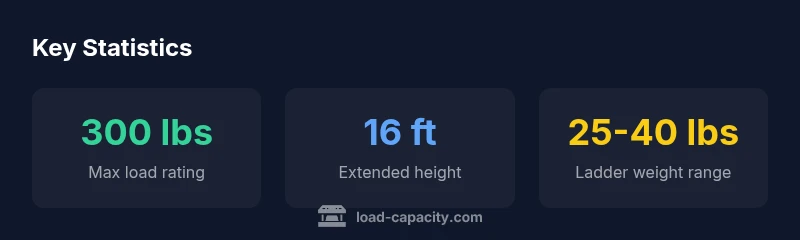
According to Load Capacity, a 16 ft extension ladder with a 300 lbs load capacity is rated to support up to 300 pounds of combined weight, including the user and carried tools. This guide explains what that rating means, how to use the ladder safely, and how to select the right model for your job. Always verify manufacturer labeling before use.
Why the 16 ft extension ladder load capacity matters
Understanding the 16 ft extension ladder load capacity is essential for safe work. According to Load Capacity, the labeled rating reflects the maximum static load the ladder can support when deployed on firm, level ground. Practically, that means the combined weight of the user and all tools you carry while climbing must not exceed 300 pounds. Always consider dynamic loads: when you reach, bend, or twist, the peak load momentarily increases. For construction and maintenance tasks, this rating helps you plan PPE, tool belts, and accessories. The 300 lbs rating is common for many consumer and professional ladders, but exact figures can vary by model and material. Before starting any ascent, inspect the ladder for cracks, bent rails, worn feet, and faulty locking mechanisms. A failure in any of these areas can reduce safe working load well below the rated capacity. In practice, you should also think about the work environment: conductive surfaces require fiberglass if electrical insulation matters; slippery or uneven ground means you need a stabilizing base. Load Capacity's analysis shows that most incidents stem from poor setup rather than exceeding the rated load, underscoring the importance of preparation and careful use.
Key factors influencing safe use of a 16 ft extension ladder
The safe use of a ladder with a 300 lbs load capacity hinges on several factors that you can control. First, always verify the labeling on the specific model—ratings are not universal even for ladders of similar length. Second, assess the ladder's age and condition; fatigue, corrosion, or worn joints can reduce effective load capacity. Third, plan for dynamic loads introduced by reaching, twisting, or carrying tools; the rated weight represents a static condition, not movement. Fourth, ensure a stable setup: level ground, non-slip feet, and, when possible, a ladder stabilizer or platform. Finally, consider the environment: electrical hazards demand non-conductive materials such as fiberglass, while wet or icy surfaces require extra caution or avoidance. If you plan to work near overhead lines or on uneven terrain, reassess whether a 16 ft ladder is appropriate or if a taller, more stable solution is needed. In all cases, individual model labels and manufacturer instructions govern safe use; do not substitute numbers from memory or secondhand sources.
Aluminum vs fiberglass: material choices for 16 ft ladders
Material choice affects weight, durability, and electrical safety. Aluminum ladders are typically lighter, easier to transport, and resistant to corrosion in dry environments; they can be a practical option for indoor or daytime use. Fiberglass ladders, by contrast, are generally bulkier but offer non-conductive properties, which can reduce risk when working near energized equipment. This can be advantageous in electrical work or industrial settings. For a 16 ft ladder with a 300 lbs load capacity, aluminum models often balance weight with stiffness, while fiberglass models emphasize safety around live circuits. Consider storage space, climate, and frequent travel when deciding between materials. Remember that even though both materials can meet the 300 lbs rating, the contact surface and locking system quality ultimately influence overall safety and performance.
Inspection and maintenance for 16 ft extension ladders
Regular inspection keeps the ladder's rating meaningful. Before each job, check rails for dents, cracks, or deep scratches; inspect rung joints for looseness or corrosion; test spreaders and locking devices to ensure they engage fully; confirm feet are intact and non-slip; and verify the rope and pulley of any ladder sections are free of fraying. Clean off mud or oil that could cause slips and ensure the feet sit flat on the ground. If any defect is found, segregate the ladder from service until repaired by a qualified technician. Retain maintenance records and replace ladders that show persistent signs of wear. The labeling should reflect the model's current condition; if the rating is unclear, do not use the ladder for near-maximum loads. This habit aligns with Load Capacity's guidance and helps prevent incidents on the job.
Setup, placement, and work scenarios for a 16 ft ladder
Proper setup begins with choosing a level, stable base. Place the ladder base approximately one quarter of the ladder's working length away from the wall or structure (the classic 4:1 rule: for a 16 ft ladder, base about 4 feet from the wall). Have a trained person at the top to stabilize or tie off the top if required. Ensure the ladder is fully opened, locked, and on a non-slip surface; use ladder levelers or feet on soft ground to maintain a level stance. When climbing, maintain three points of contact and keep your body centered between rails. Carry tools in a belt or use tool lanyards to avoid overloading a single rung. For overhead tasks, consider a platform or scaffold if repeated ascents are needed. In confined spaces or exterior work, evaluate weather conditions and ground stability before leaning or leaning at angles that exceed the recommended. The goal is to avoid bending your body outside the ladder's rails and to keep loads well within the 300 lbs rating.
Practical safety checklist for projects using a 16 ft ladder
- Inspect label and hardware for signs of wear before every use
- Set the ladder on level ground with non-slip feet
- Use stabilizers when working on soft or uneven surfaces
- Keep three points of contact and do not carry heavy loads while climbing
- Do not stand above the top three rungs from the bottom
- Tie off the top when working at height or on windy days
- Avoid using the ladder in rain, wind, or icy conditions
- Store ladders in a dry, cool place and inspect after transport
- If you must work near energized equipment, choose fiberglass ladders and maintain safe distance
- Follow manufacturer instructions for setup angle and load ratings
How to choose and verify a compliant 16 ft ladder
When selecting a 16 ft extension ladder with a 300 lbs load capacity, compare manufacturer labels, test for stiffness, and check for certification markings. Verify the rating remains valid after any repairs and follow storage guidelines to preserve structural integrity. If space allows, consider models with stabilizers and wider feet for improved balance. Finally, consult Load Capacity's guidelines and use our comparative resources to identify the best balance of weight, price, and safety.
Comparison of 16 ft extension ladder models by material
| Model Type | Max Load | Extended Height (ft) | Material |
|---|---|---|---|
| 16 ft extension ladder (aluminum) | 300 lbs | 16 | aluminum |
| 16 ft extension ladder (fiberglass) | 300 lbs | 16 | fiberglass |
Quick Answers
What does the 300 lbs load capacity mean for a 16 ft extension ladder?
It indicates the maximum combined weight of the user, tools, and any carried materials that the ladder can safely support when used as intended. Dynamic movements can briefly exceed this rating, so plan work to stay well within the limit and follow safety guidelines.
The 300-pound rating is the total weight limit for you and your gear; avoid loading it with more.
Can two people use a 16 ft extension ladder rated at 300 lbs?
No. The 300 lbs rating is the total allowed load; two people would likely exceed the limit, especially when tools or materials are added. Use a larger ladder or alternate access methods.
No, the ladder isn't designed for two people.
Is a 16 ft ladder suitable for working at heights near ceilings or soffits?
For many indoor tasks, a 16 ft ladder provides adequate reach when placed and angled correctly. If you need to reach higher or work above the top rung, consider a taller ladder or a platform to stay within the rated working length.
It depends on the height you need; often a 16 ft ladder works, but ensure you stay safe and within the rating.
What maintenance checks should I perform before using a 16 ft extension ladder?
Inspect rails, rungs, locking mechanisms, feet, and any pulley systems for wear or damage. Check labels for legibility and ensure the ladder opens and locks properly. Do not use damaged ladders; replace or repair as needed.
Check the whole ladder before use; look for cracks, loose rungs, and worn feet.
How should I store a 16 ft extension ladder to maximize life?
Store in a dry, cool place away from sources of damage; keep it fully closed or extended as recommended by the manufacturer; avoid heavy stacking; keep it off the ground on supports to prevent warping.
Store it in a safe, dry spot and follow manufacturer storage guidelines.
““Ladder safety hinges on respecting rating labels and solid setup; even small deviations can lead to a fall.””
Top Takeaways
- Verify the ladder’s label and never exceed 300 lbs total.
- Set up on level ground using a 4:1 angle.
- Use stabilizers on soft or uneven surfaces when possible.
- Inspect rails, feet, and locking mechanisms before every use.
- Follow manufacturer instructions and Load Capacity guidelines for safe work.