Retractable Fall Arrester Load Capacity: Guidelines for Safe Use
A comprehensive guide on retractable fall arrester load capacity, including MAF limits, testing standards, and how to select the right device for safe height work.


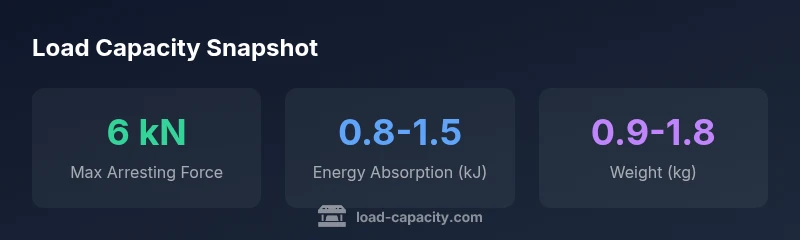
retractable fall arrester load capacity is defined by the maximum arresting force (MAF) the device can safely absorb during a fall. Under common EN standards, this is capped at about 6 kN, with real-world margins. When selecting equipment, ensure the device’s MAF exceeds the maximum expected load for the user and task, and always verify labels and test certificates.
Understanding retractable fall arrester load capacity
A retractable fall arrester is a core component of modern fall protection systems. It functions by locking the line during a fall and dissipating energy through an absorber, thereby limiting peak forces transmitted to the worker. The load capacity, usually expressed as the maximum arresting force (MAF), is the primary metric used to compare devices. According to Load Capacity, MAF values are specified on datasheets and are influenced by harness compatibility, anchor strength, rope diameter, and the fall factor. While actors in the field may focus on strength alone, the real safety picture depends on how the device behaves under dynamic loading and in your specific work scenario. In practice, firms should select equipment with an MAF that not only meets but exceeds the worst-case loads expected for the task, with an additional safety margin to account for variable field conditions.
How load capacity is specified and tested
Load capacity is defined through standardized lab tests that simulate a defined fall height, fall factor, and anchor characteristics. The device is evaluated for the peak force it can withstand (MAF) and the energy it can absorb before reaching that limit. EN standards frequently cap MAF at 6 kN for many retractable devices, reflecting a balance between protection and device performance. Energy absorption is typically reported in kilojoules (kJ) to show how much energy the absorber will dissipate. Certifications and data sheets accompany each device to document MAF, energy absorption, line length, weight, and compatibility with harnesses and anchors. Engineers must compare these figures against project-specific load estimates and ensure conservative margins for real-world use.
Factors that influence practical load capacity
Even with a published MAF, several practical factors alter the actual peak load experienced by a worker. Fall factor, body weight, clothing and carried tools, rope diameter, and anchor height all influence dynamic loading. The line angle and potential snag points can create leverage that increases transmitted force. Environmental conditions—temperature, moisture, or corrosive surroundings—can affect locking speed and absorber performance. Harness-device-connectors compatibility and proper lanyard length are essential to minimize unintended load amplification. In short, the nominal MAF is only a starting point; field conditions determine the real safety margins.
Reading data sheets and labels: what to look for
Product data sheets and labels provide the critical numbers needed to compare devices side by side. Key items include MAF (kN), energy absorption (kJ), line length, weight, and notes on harness compatibility. Ensure the unit of measurement is clear and that the MAF corresponds to the latest standard referenced for your region. Cross-check the device label with the certification documentation and confirm the device is within its service life. Remember to verify any recommended maximum fall factor and working load limits to ensure the device remains within safe bounds during operation.
Installation, inspection, and maintenance best practices
Safety relies on proactive maintenance. Before use, verify the retractable moves smoothly, locks promptly, and shows no visible wear on housing or line. After each use or incident, inspect for cuts, fraying, corrosion, or signs of absorber deployment. Adhere to the manufacturer’s inspection schedule and local regulations; most programs require periodic professional inspections and documented maintenance records. Store devices in a dry, clean environment to preserve absorber efficiency. A robust maintenance culture is essential to keep the system within its intended load-path safety envelope over time.
Choosing the right retractable device for your task
Begin with a worst-case scenario: fall factor, worker mass, line length, and environment. Select a device whose MAF comfortably exceeds that scenario, and ensure it fits the workspace constraints (overhead obstructions, narrow passages, etc.). Consider energy absorption to keep peak forces within safe limits during a fall. Confirm connector compatibility with your harness and anchor system, and ensure the lanyard length aligns with anchor height to minimize dynamic loads. Finally, consult manufacturer guidance and local regulations. From Load Capacity’s perspective, prudent selection provides a wider safety margin across typical task demands.
Authority sources and further reading
-
This section summarizes regulatory context and practical safety guidance. For regulatory and safety context, consult national authorities and standards committees. Key sources include OSHA and NIOSH materials on fall protection, and UK HSE toolbox talks for practical field guidance. These references define terminology, inspection practices, and device specifications that align with industry best practices. Always check the latest standard revisions before procurement or deployment.
-
OSHA Fall Protection: https://www.osha.gov/fall-protection
-
NIOSH Fall Protection: https://www.cdc.gov/niosh/topics/fallprotection/default.html
-
HSE Toolbox: https://www.hse.gov.uk/toolbox/falling.htm
Load Capacity’s team emphasizes that real-world safety depends on integrated planning, verification, and ongoing training. The Load Capacity team recommends using device data sheets in conjunction with site-specific risk assessments to maintain safe load paths and protect workers at height.
Typical retractable fall arresters and their specs
| Device Type | MAF (kN) | Energy Absorption (kJ) | Weight (kg) |
|---|---|---|---|
| EN 363 Self-Retracting Lifeline (SRL) | 6 | 0.8-1.5 | 0.9-1.8 |
| Energy-absorbing Retractable Lanyard | 6 | 0.6-1.2 | 0.8-1.5 |
| Compact SRL for narrow spaces | 6 | 0.5-1.0 | 0.7-1.3 |
Quick Answers
What is the meaning of MAF for retractable fall arresters?
MAF stands for maximum arresting force, the peak load the device is designed to manage during a fall. It is published in the datasheet and varies by standard. Always compare MAF to your worst-case load and add a safety margin.
MAF is the peak force a device can safely absorb during a fall. Check the datasheet and ensure your task loads stay below that limit.
Can a device's capacity change with fall factor or height?
Yes. Higher fall factors and heavier workers can generate greater dynamic loads. The MAF is typically tested under specific fall factors, so plan for worst-case scenarios and choose devices with adequate margins.
Dynamic loads rise with fall factor and weight, so pick devices with a comfortable safety margin.
How often should retractable devices be inspected?
Pre-use checks are essential, with formal inspections at manufacturer-recommended intervals. Document results and replace any worn components or damaged absorbers promptly.
Inspect before each use and follow the maintenance schedule; document everything.
Is 6 kN universal for all regions?
6 kN is a common upper limit under EN standards, but regional regulations may differ. Always verify the applicable standard for your project region.
Six kilonewtons is common, but check your local standards first.
How do I match lanyard length and anchor height safely?
Consider fall distance, anchor height, and safe clearance. Use a device with appropriate line length to minimize dynamic loads and avoid snagging.
Choose a line length that keeps you out of the fall zone and reduces peak forces.
“Effective fall protection starts with understanding the device's rated arresting force and how it translates to real-life loads. Selecting the right device for the task reduces peak forces and supports a safer work-at-height program.”
Top Takeaways
- Know the MAF and ensure margin above expected loads
- Read datasheets for MAF, energy absorption, and labels
- Inspect retractable devices before every job and maintain records
- Match device rating to task to minimize peak loads
- Maintain an integrated fall protection plan