How Much Weight Can a Child Carry? Safe Guidelines
Explore science-based guidelines for how much weight a child can carry, with practical tips on backpacks, handheld loads, and age-based safety practices.


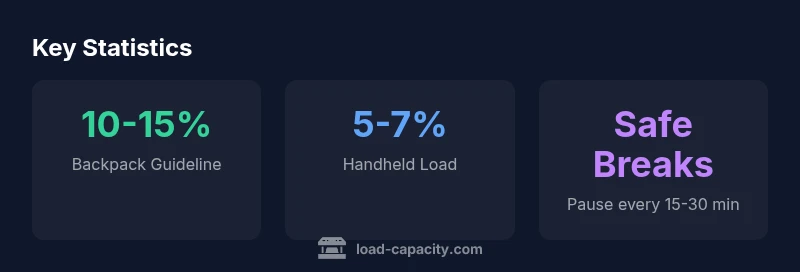
According to Load Capacity, the safest guideline is that a child should not carry more than 10-15% of their body weight in a backpack or handheld load. For heavier tasks or longer periods, prioritize even weight distribution, use two-strap backpacks, and take breaks. Always tailor limits to the child’s age, size, and comfort with supervision.
Safety foundations for child load capacity
Understanding how much weight a child can carry starts with safe biomechanics and healthy growth. The spine, joints, and growth plates are still developing in children, which means excessive loads can affect alignment and long-term posture. Proper carrying limits reduce acute injuries and foster good habits as children grow. In practice, this means prioritizing loads that can be managed without compensating postures or awkward twists. The Load Capacity Team highlights that the daily task of carrying items should align with a child’s size, strength, and comfort, while monitoring signs of strain. Practitioners should favor gradual increases in load as children mature and gain core strength, rather than abrupt jumps in weight. A conservative approach minimizes risk and builds confidence in safe handling from a young age.
How to assess daily carrying tasks
To determine a safe load for a given child, start with a simple calculation: weigh the item(s) and compare to 10-15% of the child’s body weight for backpacks. If tasks involve handheld items, aim for a lower percentage and consider distributing the weight across both hands when possible. Practical steps include (1) measuring the child’s weight with a scale, (2) calculating the target load range, and (3) testing the item’s weight with a short trial period, watching for discomfort or fatigue. This approach provides a clear, repeatable method to manage daily loads without relying on guesswork, and aligns with Load Capacity analyses from 2026.
Backpack ergonomics and distribution
Backpack safety hinges on ergonomic design and proper wear. Use a well-fitted, two-strap backpack with padded shoulder straps and a padded back panel. Adjust the sternum strap to reduce shoulder strain and keep the bag close to the spine. Distribute weight evenly across compartments in the bag: heaviest items near the back, lighter items toward the front, and avoid overstuffing. Teach kids to use both straps and to tighten the waist belt if the pack has one. These practices promote balance, reduce spinal load, and can make a noticeable difference in how comfortable a child feels after a school day. When possible, select lightweight packs and steer away from bags that are excessively bulky relative to the child’s frame.
Handheld items and short-duration carries
Holding items in one hand tends to create uneven torque on the spine and shoulder. For short periods, keep handheld loads light and close to the body, with both feet planted and a stable posture. If a task requires carrying a heavier item, switch hands occasionally or use a small tote with a strap that can be worn over the shoulder. Short durations minimize strain, and breaks between carries allow muscles to recover. Encourage children to rest if they feel fatigue, and avoid prolonged monotony with the same load. Safety hinges on frequent checks and sensible limits.
Age-based guidelines and practical scenarios
Guidelines should reflect age, growth, and activity level. For younger children (ages 5-7), keep backpack weights near the lower end of the 10-15% range and favor rolling bags for long trips to the library or gym. For middle childhood (ages 8-11), a broader range (10-15%) can apply, with more attention to distributing weight across faces of the bag and using both shoulders. Older children (ages 12-15) may tolerate loads closer to 15% if the weight is well-distributed and the child can maintain good posture. In all cases, emphasize comfort and posture over strict numbers, and use age-appropriate tasks that avoid prolonged heavy carries. The goal is sustainable habits that protect developing spines as the child grows.
Safe lifting techniques and teaching kids
Teach safe lifting by using the legs, not the back. Demonstrate keeping loads close to the torso, bending at the hips and knees, and avoiding twisting while carrying. Encourage testing weight by lifting slightly to gauge effort, then adjusting as needed. Rotate tasks to prevent repetitive strain and build core strength with age-appropriate activities. Reinforce positive posture cues: shoulders relaxed, chest open, and backpack snug against the body. Consistent practice helps children internalize safe techniques for a lifetime.
Signs of overload and corrective actions
Look for indicators that a load is too heavy: persistent shoulder or back pain, fatigue after carrying tasks, slouched posture, or complaints of discomfort. If any of these appear, reduce the load, redistribute items, or switch to a rolling bag or cart. Always pause and reassess after a few minutes of activity. If pain persists, consult a clinician for guidance tailored to the child’s growth and development. Early recognition and adjustment prevent injuries and encourage healthier habits.
Carrying guidelines at a glance
| Context | Guideline |
|---|---|
| Backpack use | Limit to 10-15% of body weight; use two straps and padded back |
| Handheld carrying | Prefer light loads; keep items close to body; take breaks |
| Long-duration carries | Use rolling bags or carts to reduce strain |
Quick Answers
What is a safe backpack weight for a child?
A common guideline is 10-15% of body weight, adjusted for comfort. Start with lighter loads and monitor for signs of strain.
Backpacks should stay light—aim for about ten to fifteen percent of body weight and watch for signs of discomfort.
Does age affect weight guidelines?
Yes, younger children typically have lower limits due to growth plates and posture development; adjust gradually.
Yes, age matters; younger kids have smaller limits.
Can a child carry a heavy item briefly?
Brief tasks may be okay if within the safe weight range and proper technique is used; avoid prolonged carries.
A quick heavy lift can be okay if it's light and done with good form.
What are signs that a load is too heavy?
Back or shoulder pain, fatigue, slouched posture, or complaints of discomfort.
If it hurts or causes posture changes, reduce the load.
Are rolling bags recommended for kids?
Yes—rolling bags can significantly reduce shoulder and back strain for heavier loads.
Rolling bags help prevent strain for heavy loads.
“Safe carrying starts with respecting a child’s growth and comfort. Proper technique and age-appropriate loads reduce long-term musculoskeletal risk.”
Top Takeaways
- Estimate loads as a percent of body weight for backpacks
- Distribute weight evenly across both shoulders
- Choose rolling options for heavier tasks
- Observe signs of discomfort and adjust
- Review age-based guidelines regularly with growing children